
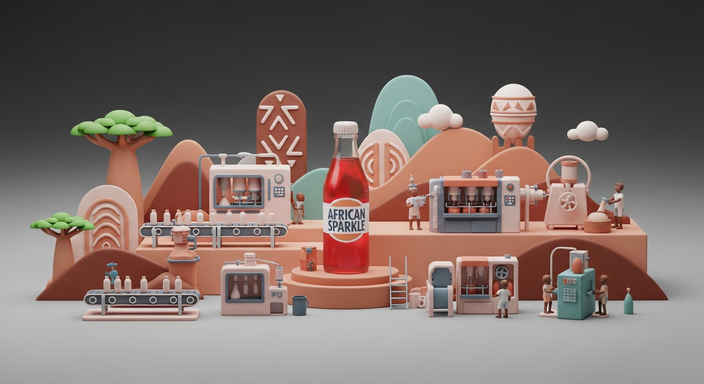

How to Start a Soft Drink Plant in African Countries
Discover how to start a soft drink plant in Africa, focusing on market opportunities like rising incomes and urbanisation trends. Learn about consumer preferences, business plan essentials, and the legal requirements for food beverage manufacturing.
The soft drink industry in Africa is experiencing rapid growth due to increasing urbanisation and a rising middle class. As more people move to cities and gain disposable income, the demand for convenient and refreshing beverages has surged. Soft drinks, particularly carbonated beverages, have become a staple in both social and cultural settings across various African countries. This presents a significant opportunity for entrepreneurs looking to enter the market.
Starting a soft drink plant in Africa requires a deep understanding of local markets, regulations, and consumer preferences. Each country presents unique opportunities and challenges, from navigating government regulations to ensuring access to quality raw materials. Understanding the specific needs of each market is key to success in the African soft drink industry.

Understanding the Demand for Soft Drinks in Africa
Market research is a crucial first step when considering starting a soft drink plant in Africa. Different regions and countries have varying consumer preferences, with some markets showing a preference for carbonated drinks, while others lean towards fruit-based beverages. Understanding these preferences will help in formulating the right product mix and ensuring success in the long run. Learn more about setting up an agro-processing business in Africa.
Africa’s beverage industry is diverse, with many local brands already catering to specific tastes. To compete effectively, it is essential to identify gaps in the market and offer products that resonate with consumers. Understanding trends, such as the rise in health-conscious beverages, can help differentiate your soft drink brand in this competitive space. For insights into business planning, explore this guide on how to create a business plan for food beverage manufacturing.
Overview of the Soft Drink Manufacturing Process
Setting up a soft drink plant requires an understanding of the manufacturing process. This involves several steps, including blending, carbonating, bottling, and packaging. Each step must be meticulously planned and executed to ensure the final product meets quality standards. Learn about the steps to start a food business, which also apply to soft drink manufacturing.
Quality control is a critical aspect of the soft drink manufacturing process. It ensures that every bottle produced is safe for consumption and meets the regulatory standards set by each country. Investing in modern equipment and technology can help streamline the process, improve efficiency, and reduce waste, ultimately leading to a more profitable operation. For specific steps on setting up a plant, see how to start a soft drink plant in African countries.

Required Equipment and Technology for a Soft Drink Plant
Establishing a soft drink plant involves acquiring the necessary equipment, such as carbonation machines, bottling lines, and packaging systems. Each of these plays a vital role in the production process and ensures that the product is consistent and of high quality. It’s essential to invest in reliable and durable machinery that can withstand continuous operation in a commercial environment.
Advances in technology have made it possible to automate much of the soft drink manufacturing process. Automated systems can help reduce labour costs, increase production speed, and minimise human error. By integrating advanced technologies, manufacturers can stay competitive and meet the growing demand for beverages in African markets. Explore various food and beverage business investment opportunities.
Legal Considerations and Licenses for Setting Up a Soft Drink Plant in Africa
Starting a soft drink plant in Africa involves navigating a complex web of legal requirements. Each country has its own set of regulations governing the food and beverage industry, including safety standards, packaging requirements, and environmental laws. It’s important to consult with local authorities and legal experts to ensure full compliance with these regulations.
Obtaining the necessary permits and licenses is crucial before beginning production. Failure to comply with legal requirements can lead to fines or even the closure of the plant. By understanding the legal landscape of the specific African country, you can avoid potential pitfalls and ensure smooth operations for your soft drink plant.
Identifying the Best Location for Your Soft Drink Plant
Choosing the right location for your soft drink plant is one of the most important decisions you will make. Proximity to raw materials, such as sugar, water, and flavourings, is a key factor to consider. Additionally, the location should be easily accessible to distribution networks, ensuring that your products can reach consumers quickly and efficiently.
The availability of skilled labour and the cost of utilities, such as electricity and water, are also important considerations. Some African countries offer tax incentives and other benefits to encourage manufacturing investments, so researching the local economic environment can provide significant advantages when choosing the plant’s location.
Frequently Asked Questions
What are the main consumer preferences for soft drinks in Africa?
Consumer preferences vary, with some regions preferring carbonated drinks, while others opt for fruit-based beverages. Understanding these preferences is crucial for successful product formulation.
What are the legal requirements for starting a soft drink plant in Africa?
Each country has distinct regulations regarding safety, packaging, and environmental laws. Consulting with local legal experts is essential to ensure compliance.
How does automation impact soft drink manufacturing?
Automation reduces labour costs and increases production efficiency. It also minimises human error, ensuring consistent product quality.
Enhance your business prospects with innovative strategies and modern equipment, ensuring success in the vibrant African beverage market.
How to Start a Soft Drink Plant in African Countries
Starting a Manufacturing Business in South Africa
Building a Profitable Hardware Business in Africa
Launching Your Interior Design Business in Africa: Essential Guide
Starting Your Own Architecture Firm in Africa: A Comprehensive Guide
How to Start a Real Estate Business in South Africa
Starting a Property Management Business in Africa
Comments (0)