

The Future of African Development: Leading Nations and Challenges
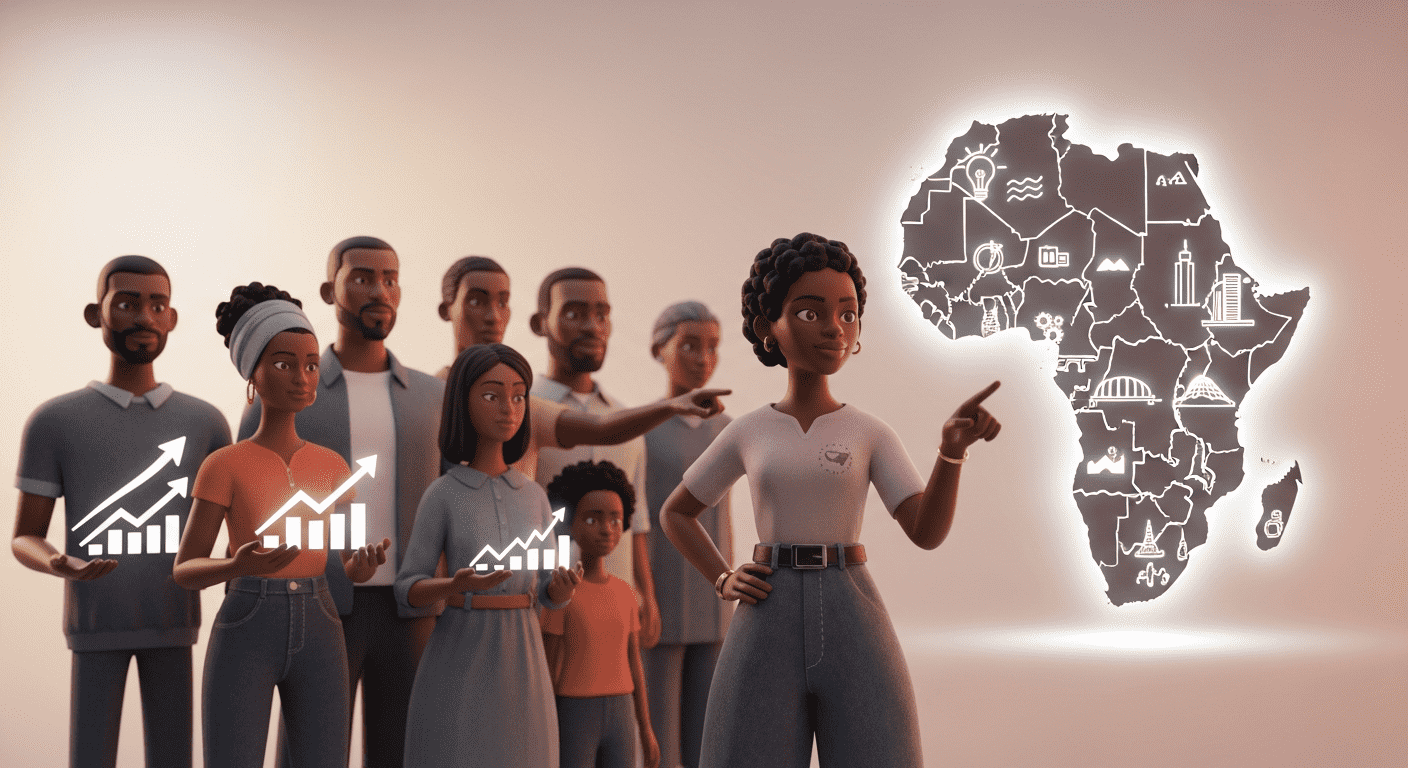
Africa is a continent of vast potential, with nations poised to advance significantly in infrastructure, innovation, and economic growth. Several African countries are emerging as rising stars, showing the world the potential for development amidst challenges. In this article, we delve into the prospective leaders of Africa's future, examining key areas of development and highlighting the challenges they face.

African Nations on the Path to Development
Promising Economies
African nations are showcasing remarkable strides in economic performance. For instance, Rwanda has been identified as a rising star in East Africa, with consistent reforms, particularly in technology and healthcare. Likewise, Namiba, Botswana and Rwanda have shown immense promise due to their stable governance and resource management capabilities. This stability is crucial for sustaining African economic growth.
Infrastructure as a Development Catalyst
Infrastructure development remains a key driver for the growth of African countries. South Africa, despite its challenges, is recognized as having the most developed infrastructure market, offering lessons and a benchmark for other nations. Road, rail, and sanitation systems are pivotal to facilitating trade and improving living standards across the continent. The progress of infrastructure is also a significant marker for Africa's future.
Innovation and Technology
Kenya is emerging as a tech powerhouse in East Africa, leveraging technology to drive healthcare and other critical sectors. The integration of broadband coverage and tech startups is fostering an environment ripe for innovation. This focus on technology positions various African nations to lead in regional development, especially in digital services and fintech.
Stability and Development Challenges
Governance and Political Stability
Many African nations strive for stability, a fundamental requirement for sustaining development. Namibia and Botswana exemplifies how stable governance can foster economic growth, yet challenges such as political corruption and ethnic tensions remain significant in other regions. The balance between stable governance and economic policies forms the backbone of African nation stability.
Education and Human Capital
For these nations to sustain growth, improving educational standards remains crucial. Quality education paves the way for skilled workforce necessary for industrialization. With a focus on enhancing African nations education, countries can better harness their demographic dividends and support rapid developmental strides.
Industrialization and Economic Diversification
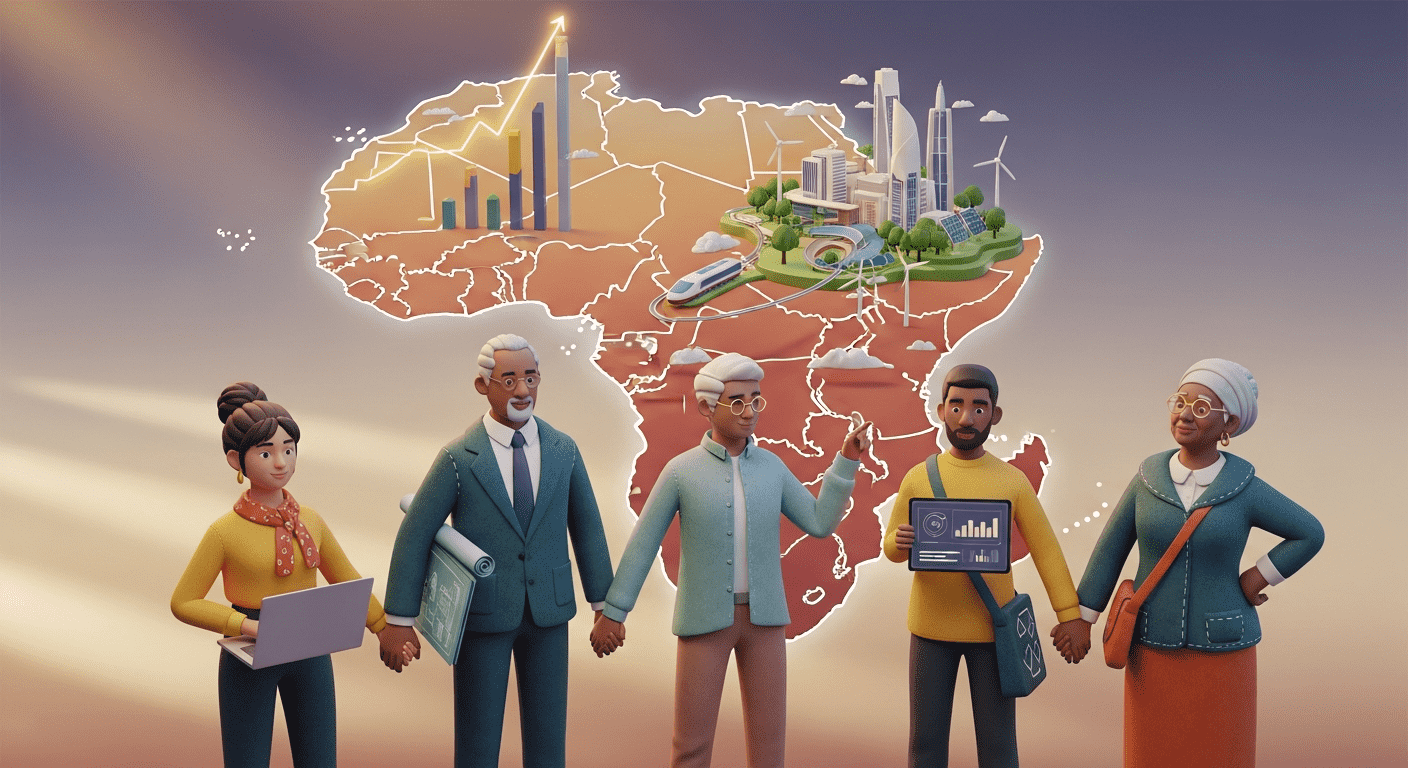
The journey to becoming fully industrialized nations involves diversifying economies beyond primary commodities. Countries such as Morocco are progressively supplying clean energy to Europe. The presence of industrialized sectors is pivotal in reducing dependence on a singular resource and fostering a robust economy.
Frequently Asked Questions
What are the most promising African countries for future development?
Several nations, including Namibia, Rwanda, Kenya, and Botswana, are noted for their promising future due to stable governance, innovation, and infrastructural development.
How is technology influencing African development?
Technology has revolutionized various sectors in African countries, positioning nations like Kenya as tech hubs that promote regional and economic advancement.
What challenges do African countries face in achieving industrialization?
Key challenges include political instability, educational deficiencies, and reliance on a narrow set of natural resources. Overcoming these challenges is essential for achieving sustained industrialization.
Comments (0)